


Updated October 2026. Dates below come from the municipality’s past official programs and current 2026 guides. San Miguel’s official 2026 program usually comes out in late October, so confirm times before you go.
Quick answer: Día de Muertos in San Miguel de Allende peaks on November 1 and 2, 2026, and the town starts filling with altars and marigolds from about October 28. The headline event is the Desfile de Muertos y Catrinas, traditionally held on November 2 at 6 p.m., moving from El Cardo to the Jardín Principal. La Calaca Festival, the arts festival that grew up around the holiday, is listed by 2026 travel guides for roughly October 30 – November 2. It’s all free to experience on the street. What you pay for is a place to stay, so book early.
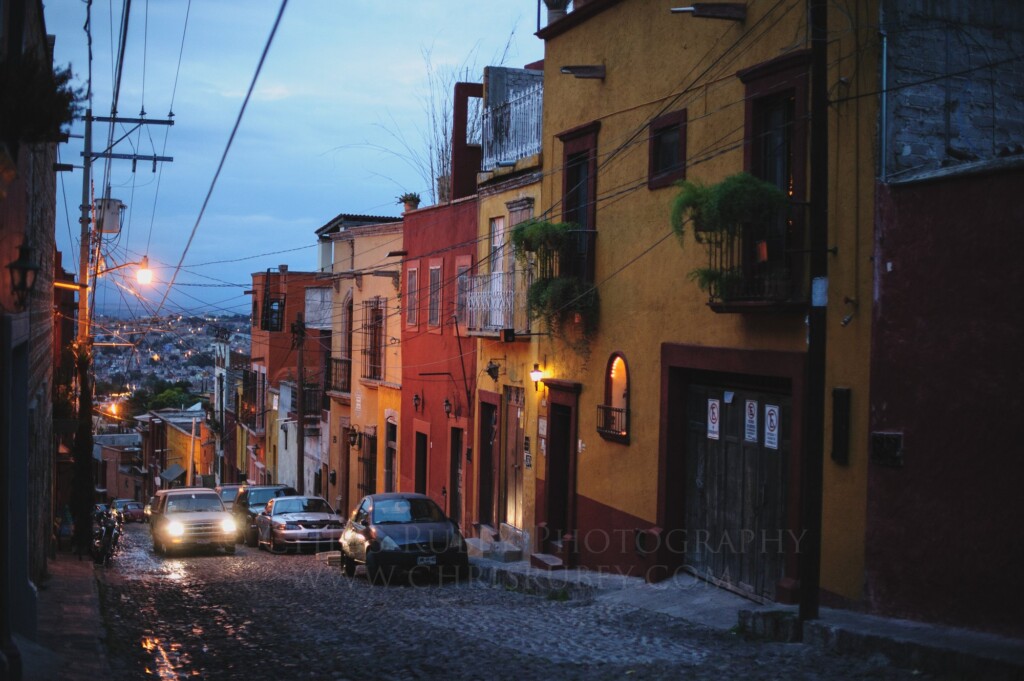
We live here, and every year we watch it happen the same way. Around the last week of October, San Miguel turns orange. Marigolds (cempasúchil) pile up in the market, shop windows fill with sugar skulls, and the Jardín slowly becomes an open-air gallery of altars built by schools, families, and neighbors. By November 2, the whole town is out in the street in Catrina face paint, walking toward La Parroquia together. It isn’t Halloween. It’s the most tender, joyful act of remembering we know.
Here’s how to plan a Día de Muertos trip to San Miguel de Allende in 2026: the dates, the parades, La Calaca Festival, the altars and cemeteries, and how to take part with respect.
Día de Muertos 2026 in San Miguel de Allende: Dates at a Glance
| What | When (2026) | Where | Status |
|---|---|---|---|
| Altars and marigolds go up around town | From about Oct. 28 | Jardín Principal and centro | Annual tradition |
| La Calaca Festival (arts, music, workshops) | About Oct. 30 – Nov. 2 | Centro, Parque Juárez, and other venues | Listed by 2026 guides; official program not yet published |
| Día de los Angelitos (honoring children) | Sunday, Nov. 1 | Homes and cemeteries | Fixed date |
| Catrinas parade, Rancho Los Labradores | Nov. 1 | Los Labradores community | Held yearly since 2001 |
| Día de los Fieles Difuntos (honoring adults) | Monday, Nov. 2 | Citywide and cemeteries | Fixed date |
| Desfile de Muertos y Catrinas | Nov. 2, traditionally 6 p.m. | El Cardo to the Jardín Principal | Confirm time in the 2026 municipal program |
What Is Día de Muertos?
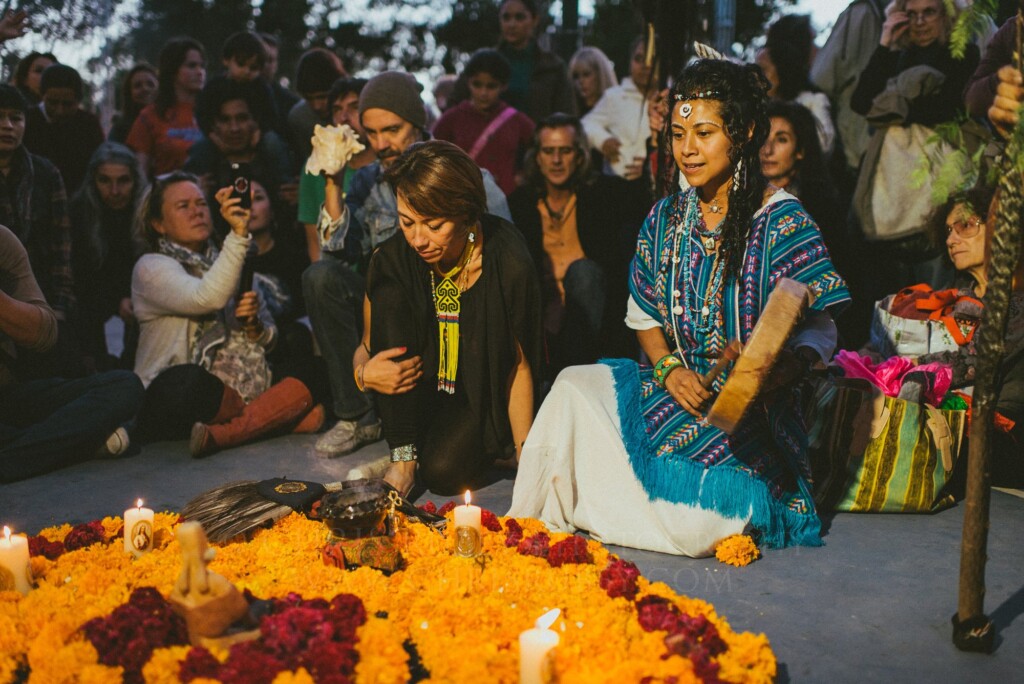
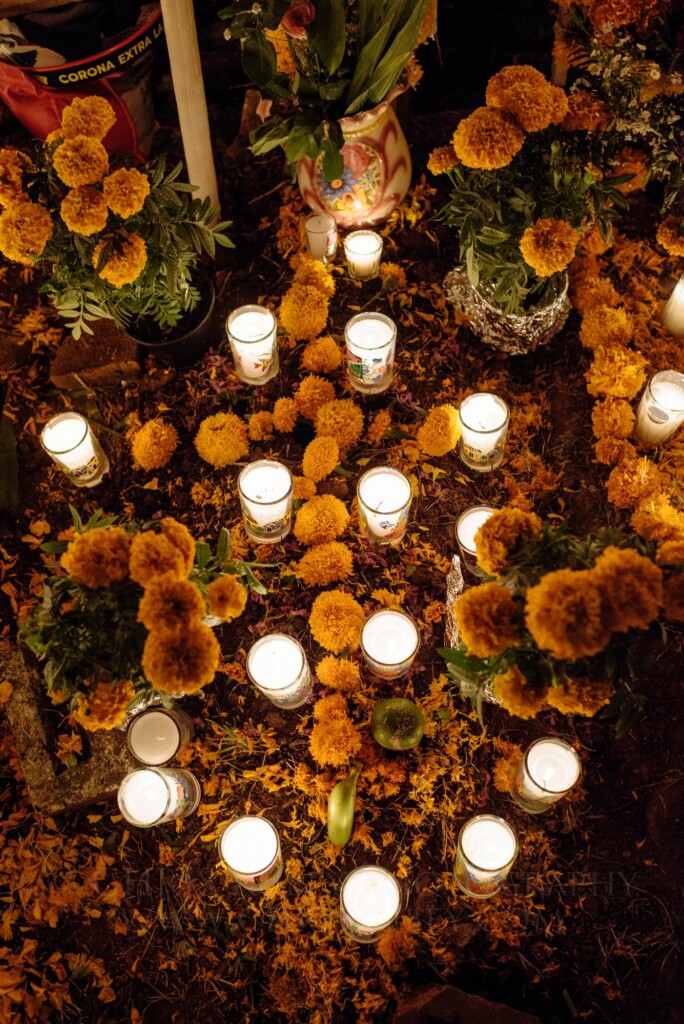
Día de Muertos is the Mexican tradition of welcoming home the souls of loved ones who have died. Families build ofrendas (altars) with photographs, candles, copal incense, pan de muerto, sugar skulls, and the person’s favorite food and drink. Bright marigold petals mark the path, and their color and scent are said to guide the spirits home. November 1 is traditionally for children (los angelitos) and November 2 is for adults. In 2008, UNESCO added Mexico’s indigenous festivity dedicated to the dead to its list of the Intangible Cultural Heritage of Humanity.
What Is La Calaca Festival?
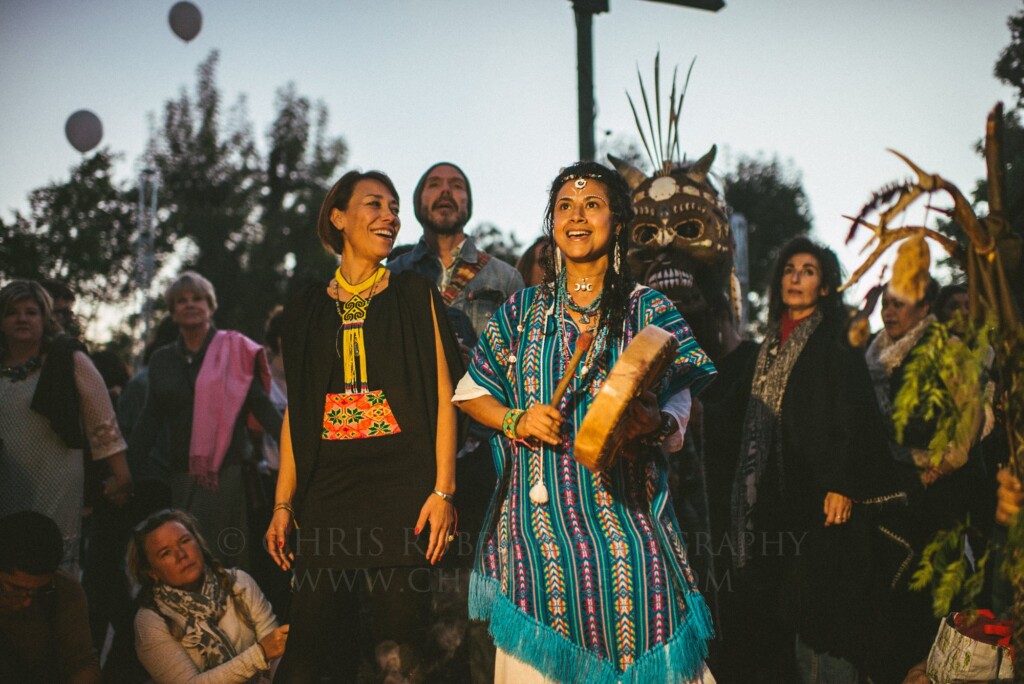
La Calaca Festival (calaca is Mexican slang for a skeleton) is the arts-driven side of San Miguel’s Día de Muertos. Rincones de México dates the first edition to 2012. Its aim was to honor the holiday while opening it up to the town’s large community of artists and international visitors. Past editions have mixed Catrina parades, altars in the gardens, live art and installations, film, workshops, music, craft markets, and parties.
What we know about 2026: Recent guides, including Live in San Miguel (October 2026), list La Calaca for roughly October 30 to November 2, centered on the historic center and Parque Juárez. When we published, no official 2026 program had come out. Treat the dates as expected, not final, and check back as November gets closer. Either way, Día de Muertos in San Miguel doesn’t depend on any one festival. The altars, parades, and cemetery vigils happen every year.

The Catrina Parades: When and Where
San Miguel has two Catrina parades you’ll want to know about:
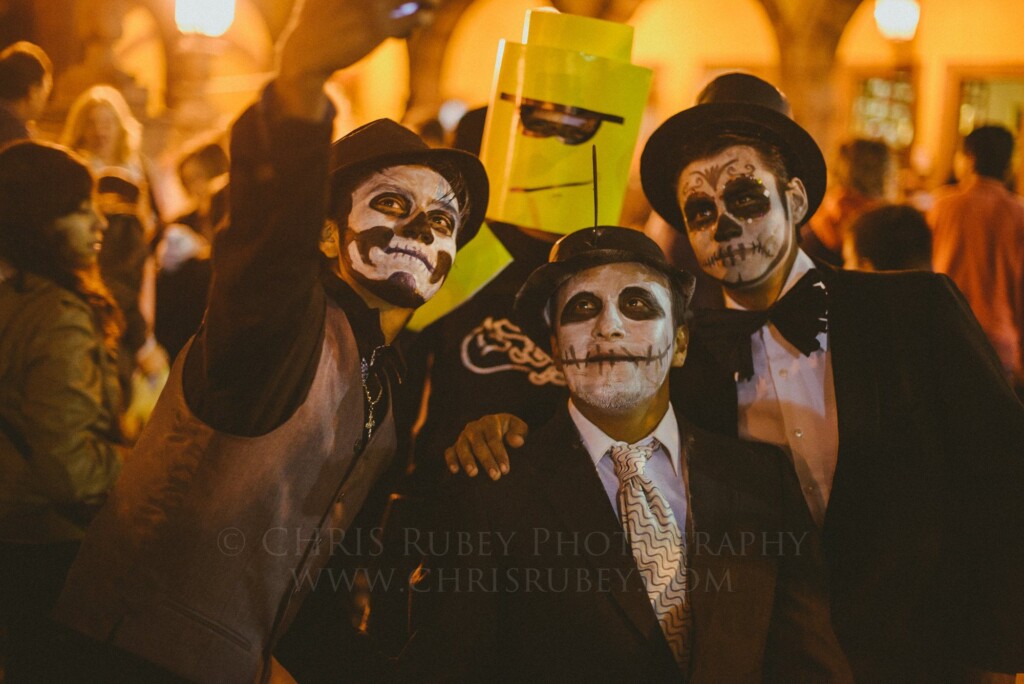
- Desfile de Muertos y Catrinas (Nov. 2): This is the town’s main municipal parade. Past official programs set it at 6 p.m., starting at El Cardo and winding through centro to the Jardín Principal. The Jardín fills well before the parade arrives, so pick a corner along the route early.
- Catrinas parade at Rancho Los Labradores (Nov. 1): A community-organized procession that has run every November 1 since 2001, according to Mexico News Daily.
Want to join in? Catrina face painting is welcome and widely offered around town in the days before the parade. Book a spot early if you have your heart set on it.
Where to See Altars and Ofrendas
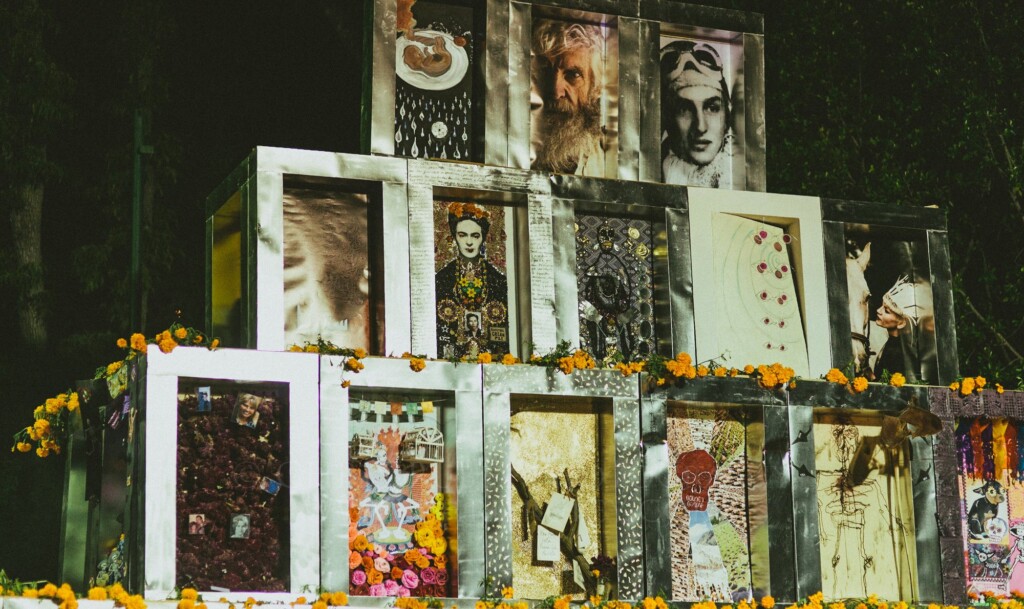
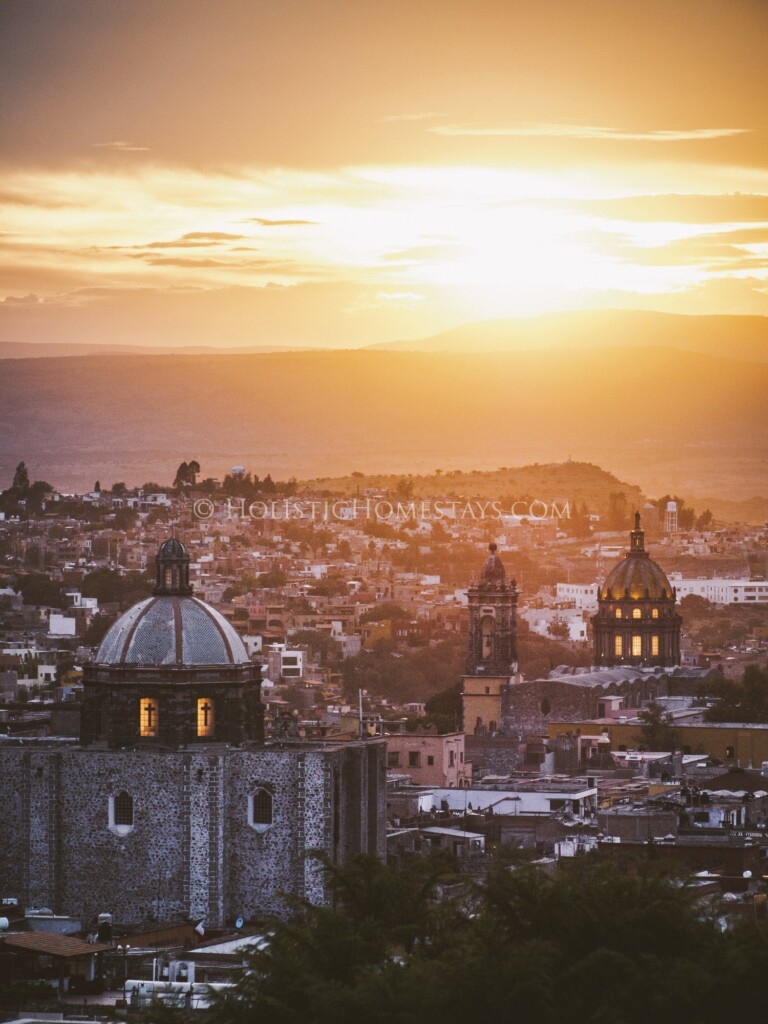
For a few days, centro becomes one long, walkable altar exhibit. Start at the Jardín Principal, where altars and huge flower-and-seed carpets (tapetes) fill the square in front of La Parroquia. Then wander out toward Parque Juárez and the city’s cultural centers. Hotels, galleries, restaurants, and private courtyards build their own ofrendas too, and many leave their doors open for visitors.
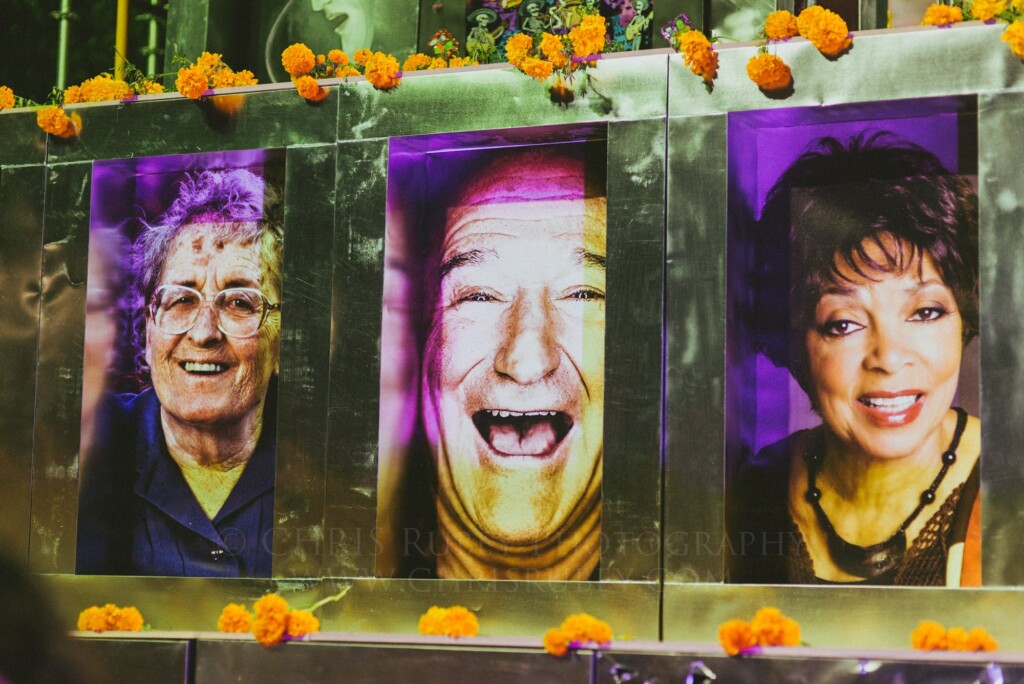
Our tip: Walk the altars twice, once in daylight to see the detail and once after dark, when the candles take over and the whole Jardín glows.
The Cemeteries: Where the Real Celebration Happens
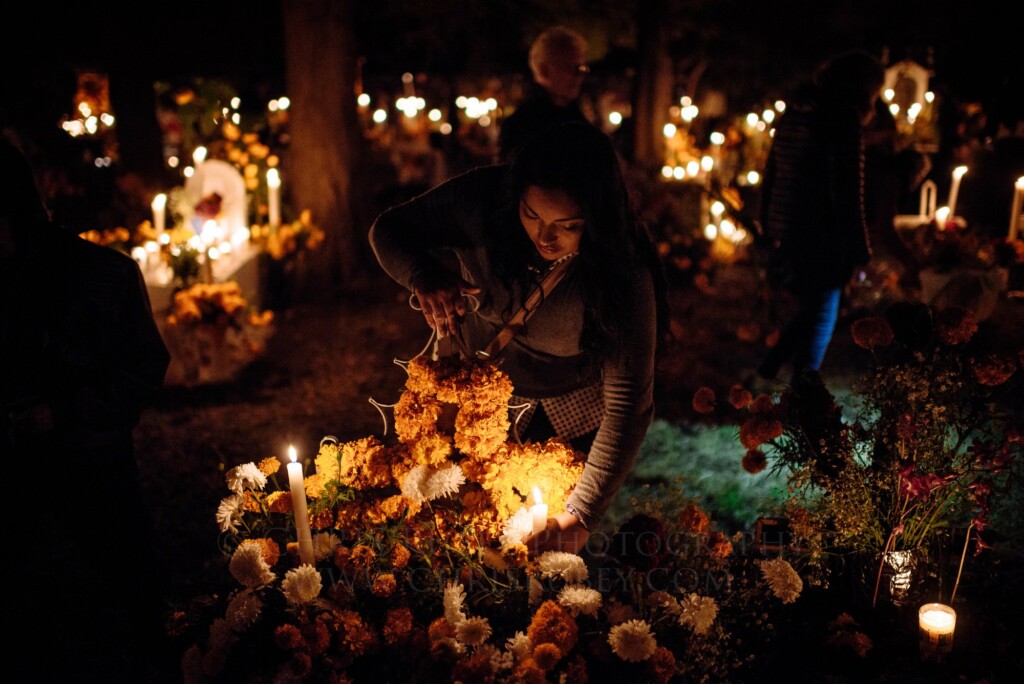
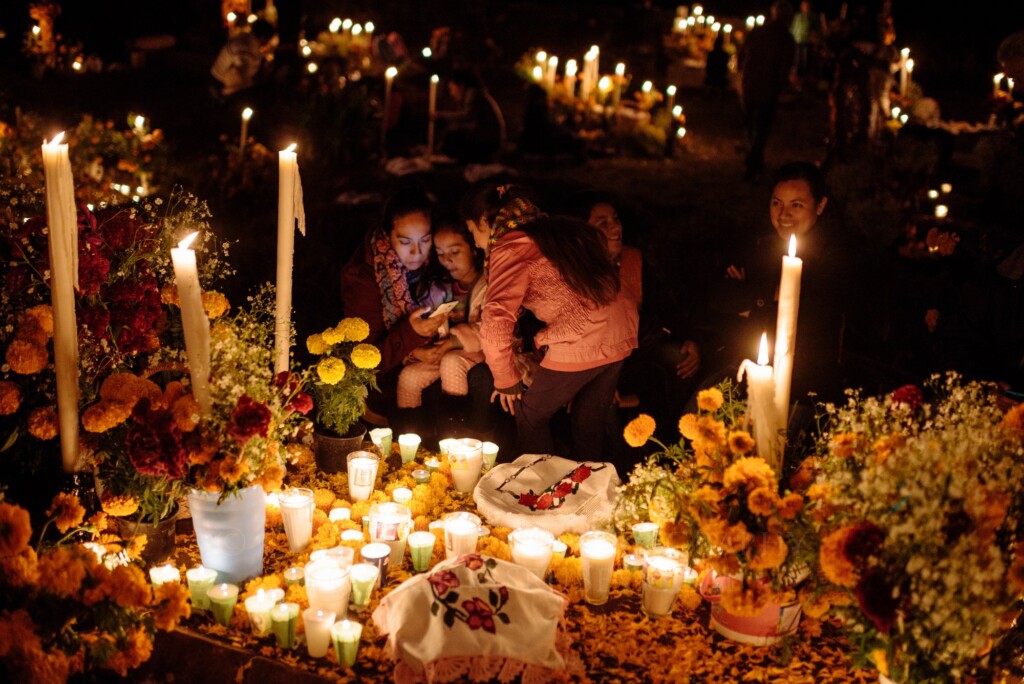
If you only see the parade, you’ve missed the heart of Día de Muertos. On the evenings of November 1 and 2, families gather at the graves of the people they love. They clean and decorate them with marigolds and candles, then settle in with their loved one’s favorite food and drink, music, and stories, sharing a meal on their behalf. It isn’t a time of grief. It’s a reunion and a celebration, and it often goes on late into the night. In San Miguel, the Panteón de Nuestra Señora de Guadalupe is the best-known place to see it.
- You’re a guest at a family gathering. Families are usually warm and welcoming, so a smile and a “buenas noches” go a long way.
- Ask before photographing families up close. Most people are happy to share the moment when asked.
- Never touch or sit on graves or offerings.
- Bring something small, like a candle or a few marigolds, if you’d like to join in.
Eating Your Way Through Muertos
From early October, bakeries and market stalls sell pan de muerto, a soft, orange-scented sweet bread topped with sugar and dough “bones.” Pair it with a cup of Mexican hot chocolate. The Mercado Ignacio Ramírez is a lovely place to find marigolds, candles, sugar skulls, and small altar pieces. Many restaurants and hotels in centro serve special Día de Muertos dinners and build their own ofrendas, and those reservations go fast.
Worth the Trip: Día de Muertos in Pátzcuaro, Michoacán
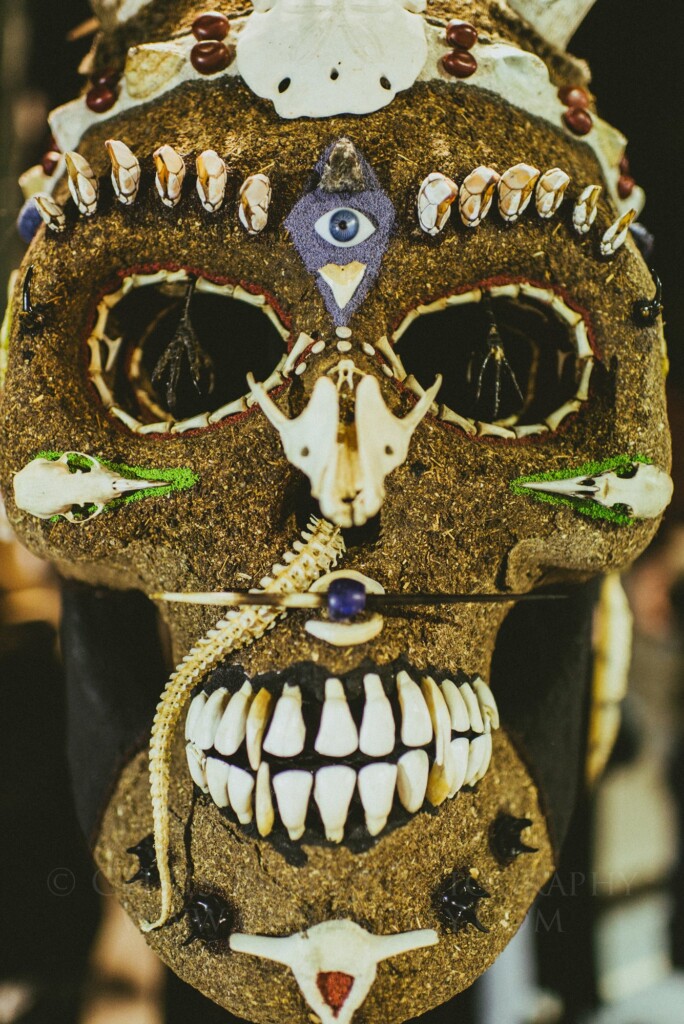
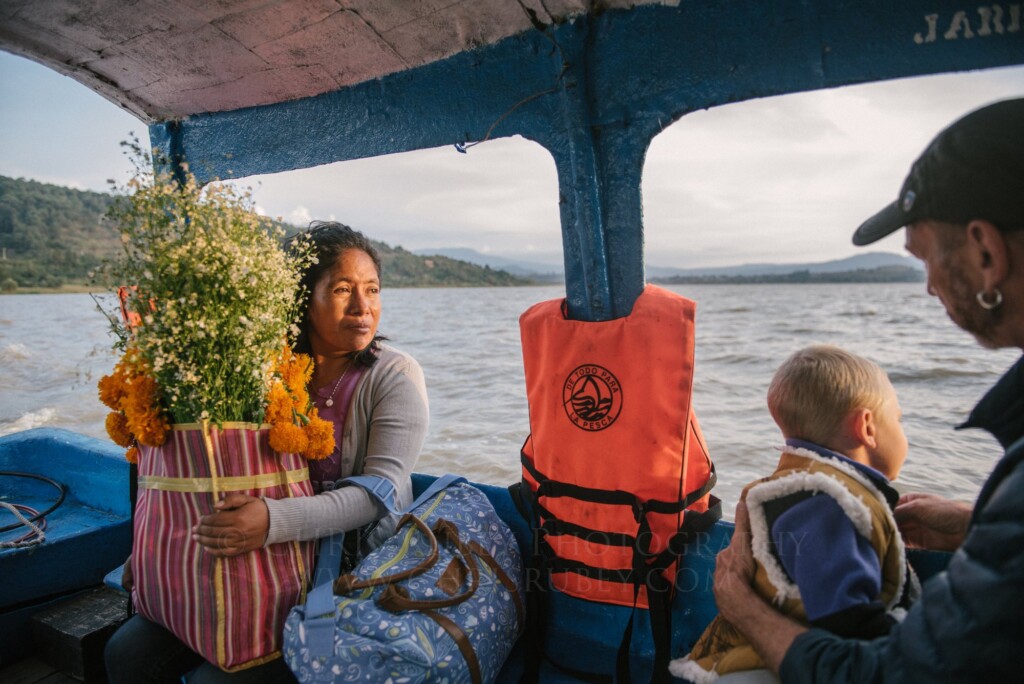
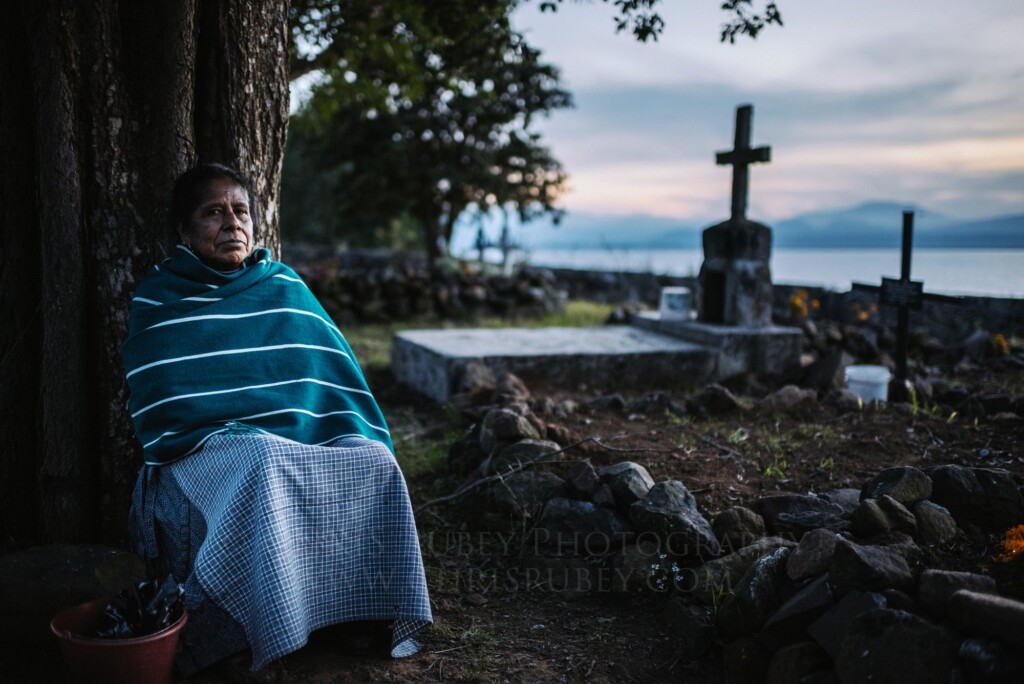
If you have an extra two or three days, the Lake Pátzcuaro region in Michoacán is one of the most extraordinary places in Mexico to experience the holiday. It’s about 260 km (roughly a 3½-hour drive) southwest of San Miguel. Here the tradition belongs to the Purépecha communities around the lake. The main vigil, often called the Noche de Ánimas, runs through the night of November 1 into November 2. Families keep watch at candlelit graves on the island of Janitzio and in lakeside towns such as Tzintzuntzan, and Janitzio can only be reached by boat from the Pátzcuaro pier. According to Mexico Travel & Leisure, the region’s 2026 festival window runs from about October 29 to November 2, with large craft and food markets in Pátzcuaro.
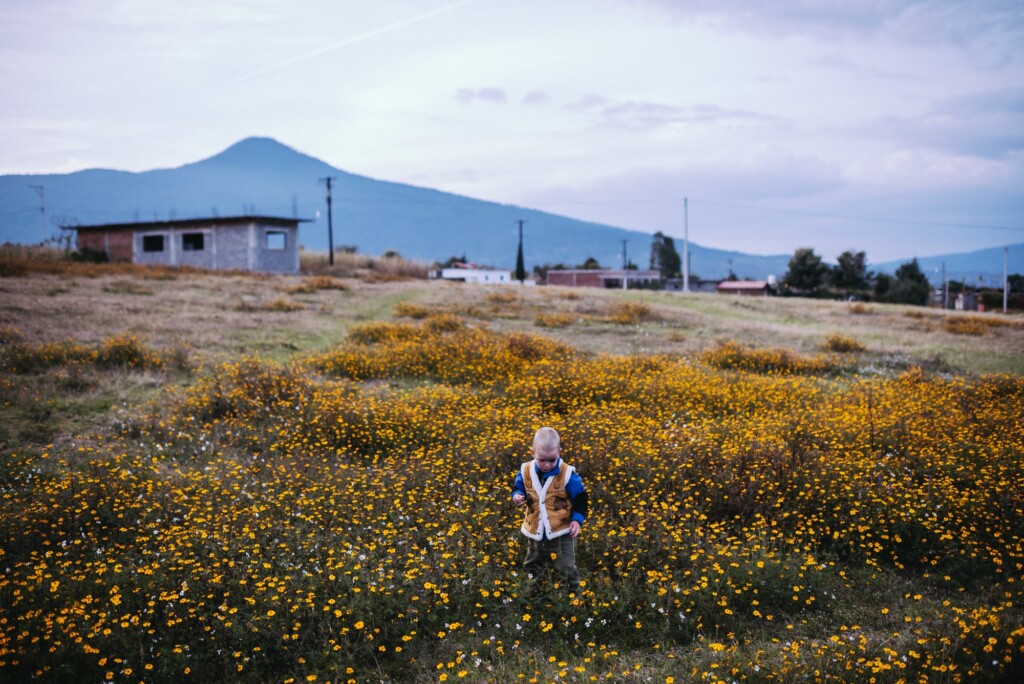
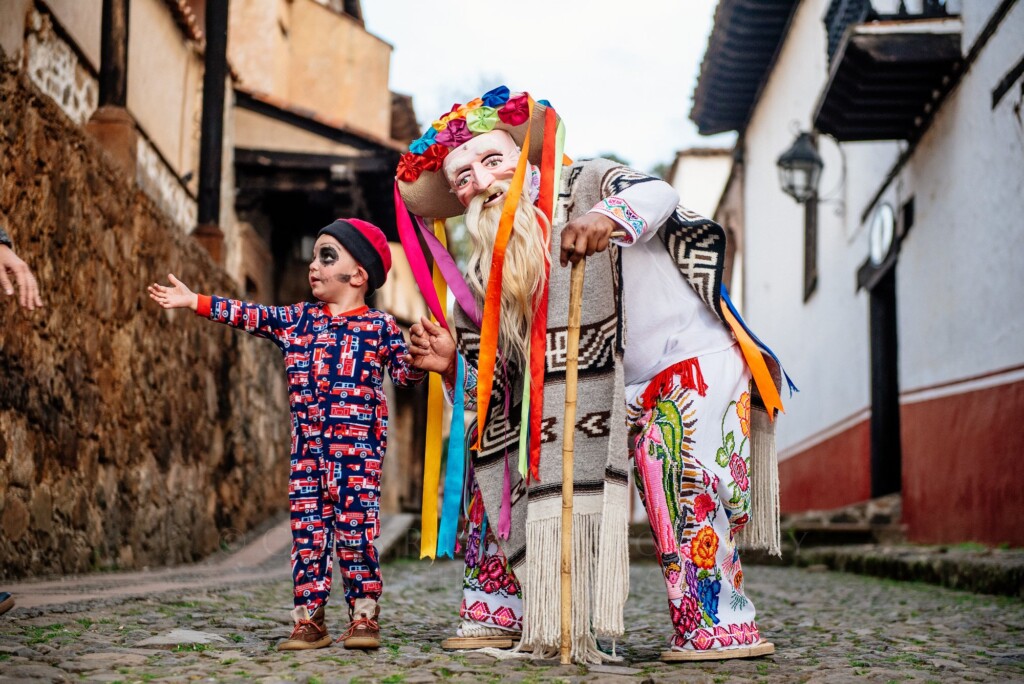
We’ve photographed it ourselves, and it’s unforgettable. Whole cemeteries glow gold with marigolds and thousands of candles, and families gather around the graves with food, drink, and blankets, keeping their loved ones company until dawn. It feels less like a cemetery and more like the warmest family party you’ve ever been invited to. Go as a guest, and ask before photographing anyone up close.
When to Book and Where to Stay
Día de Muertos is one of San Miguel’s busiest weeks of the year. Local guides such as MexHome San Miguel recommend booking three to six months ahead, and we agree: our own centro homes fill up early. The best base is somewhere you can walk to everything, because cars and centro don’t mix during the parade.
Casa Rubeo, our three-bedroom home in historic centro, is about three minutes from La Parroquia. It has a rooftop to come home to after the parade, plus free parking, which is rare in centro. If this year’s dates are already taken, the days just before the big weekend, when the altars are going up and the town is already glowing, are a beautiful, quieter time to visit. When you book directly with Holistic Homestays, you’re dealing with us, people who live here, not a platform.
Frequently Asked Questions: Día de Muertos in San Miguel de Allende
When is Día de Muertos in San Miguel de Allende in 2026?
The main days are Sunday, November 1 (honoring children) and Monday, November 2 (honoring adults). Altars and decorations go up from around October 28, and the main Catrina parade is traditionally on November 2.
When is La Calaca Festival 2026?
2026 travel guides list La Calaca Festival for roughly October 30 to November 2 in San Miguel de Allende’s historic center. The official 2026 program hadn’t been published as of mid-October, so confirm dates closer to the event.
What time is the Catrina parade in San Miguel de Allende?
The municipal Desfile de Muertos y Catrinas has traditionally started at 6 p.m. on November 2, moving from El Cardo to the Jardín Principal. A separate community Catrinas parade at Rancho Los Labradores takes place on November 1.
Is Día de Muertos in San Miguel de Allende free?
Yes. The altars, parades, and public celebrations are free and open to everyone. You’ll only pay for things like special dinners, workshops, face painting, and lodging.
Can tourists visit the cemeteries during Día de Muertos?
Yes. Visitors are welcome. Families celebrate at the graves with food, drink, music, and candles, and you’re a guest at their gathering. Ask before taking close-up photos of people, and never touch graves or offerings.
How far ahead should I book for Día de Muertos in San Miguel?
Book three to six months ahead if you can. It’s one of the town’s busiest weeks, and walkable homes in centro fill up first.
Can I visit Pátzcuaro from San Miguel de Allende for Day of the Dead?
Yes. Pátzcuaro is about 260 km (roughly 3½ hours by car) from San Miguel. Its main candlelit vigil, the Noche de Ánimas, runs through the night of November 1 into November 2, so many travelers spend a night or two there before or after San Miguel’s November 2 parade.
Sources: Municipio de San Miguel de Allende (past official Día de Muertos programs), Mexico News Daily, Live in San Miguel, MexHome San Miguel, Rincones de México, Mexico Travel & Leisure, and UNESCO. All photos by Chris Rubey unless noted.